

5 Warning Signs Your Kitchen Subfloor Has Water Damage Under the Tile
Upgrading your kitchen flooring is an exciting project, but hiding a damaged foundation under new materials is a costly mistake. Water frequently finds its way beneath hard surfaces without homeowners noticing until the rot spreads. The experts at GHI Painting know that learning the warning signs your kitchen subfloor has water damage is critical for any property owner. Dealing with structural issues early saves thousands of dollars in major reconstruction.
Homes in Eustis and the surrounding regions deal with constant humidity that accelerates subfloor decay. A slow leak from a refrigerator line or dishwasher can ruin wood and concrete bases long before the surface tile shows obvious damage. Replacing the finish material without fixing the base just guarantees another failure down the road. Keep an eye out for these five indicators to catch moisture problems before they ruin your kitchen layout.
What We Cover
- Tip 1: Watch for Changes in Grout Lines
- Tip 2: Listen for Hollow or Shifting Sounds
- Tip 3: Check the Perimeter Near Appliances
- Tip 4: Inspect Adjoining Baseboards and Drywall
- Tip 5: Notice Odors When a Kitchen Subfloor Has Water Damage
- Frequently Asked Questions
Tip #1: Watch for Changes in Grout Lines
Grout is highly porous and often the first material to react when water sits underneath the flooring. When a subfloor swells or warps from moisture, the rigid tile on top experiences localized stress. This pressure forces the filler between the tiles to crack, crumble, or discolor.
- Crack Patterns: Look for jagged fractures running in continuous lines across multiple tiles.
- Discoloration Rings: Notice dark, stained grout that never lightens even after heavy scrubbing.
- Loose Filler: Pay attention to sandy debris constantly appearing near the same joint.
Tip #2: Listen for Hollow or Shifting Sounds
A properly installed tile floor bonded to a dry subfloor feels completely solid underfoot. When water compromises the thinset mortar holding the tile down, that bond releases and creates a void. This trade secret allows professionals to diagnose hidden failures simply by tapping on the surface.
- Tap Testing: Drop a golf ball or tap the handle of a screwdriver across the floor to listen for pitch changes.
- Hollow Echoes: Note any spots that sound distinctly empty or hollow compared to the rest of the room.
- Physical Shifting: Feel for tiles that slightly depress or grind against their neighbors when you step on them.
Tip #3: Check the Perimeter Near Appliances
Most subfloor rot originates from slow appliance leaks rather than massive plumbing bursts. Dishwashers and refrigerator water lines are notorious for dripping silently behind cabinets for months. Inspecting the areas where the tile meets these appliances is crucial before planning any new cabinetry installations.
- Appliance Edges: Check the floor directly in front of the dishwasher for warped edges.
- Refrigerator Lines: Pull the fridge forward annually to inspect the connection valve and the floor beneath it.
- Sink Bases: Look at the flooring where it meets the toe kick under your main kitchen sink.
Tip #4: Inspect Adjoining Baseboards and Drywall
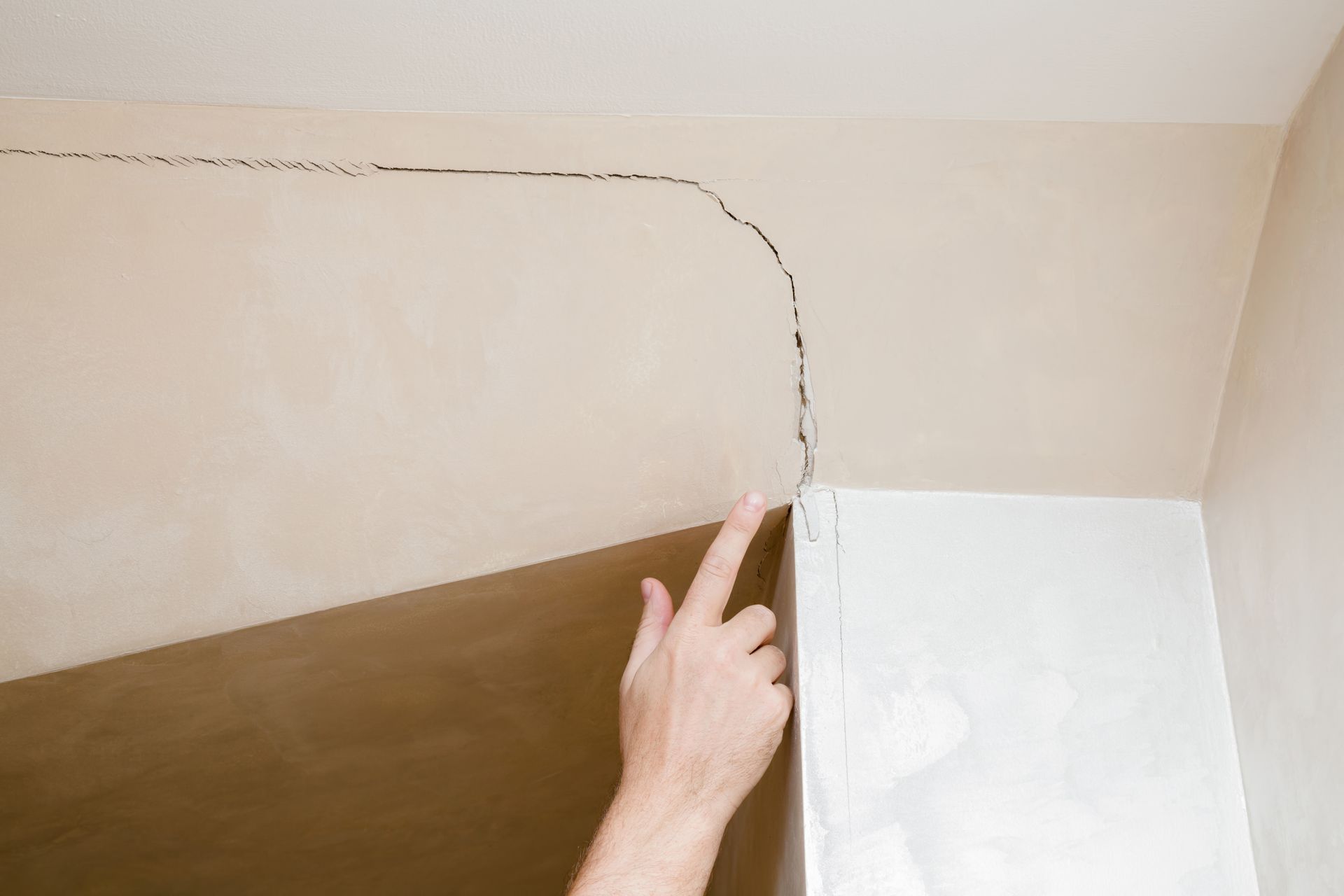
Water travels along the path of least resistance, meaning a floor leak will often climb upward into adjacent materials. Drywall acts like a sponge, wicking moisture up from the compromised subfloor below. Spotting damage on the lower sections of your walls is a massive red flag for the structure underneath.
- Swelling Trim: Look for baseboards that are pulling away from the wall or bowing outward.
- Paint Blisters: Notice any bubbling or peeling paint along the bottom six inches of the drywall.
- Soft Spots: Press firmly on the baseboard to see if the wood feels spongy to the touch.
Tip #5: Notice Odors When a Kitchen Subfloor Has Water Damage
Smell is often the most reliable indicator of hidden mold and mildew growth beneath a waterproof surface. If your kitchen smells damp even after a thorough cleaning, there is likely organic decay happening out of sight. Plywood and oriented strand board break down quickly when wet, releasing a distinct earthy scent.
- Persistent Smells: Pay attention to odors that get stronger when the house is closed up.
- Cabinet Drafts: Open lower cabinets and check if the damp smell is trapped inside the base.
- Floor Vents: Sniff near any floor registers where air pulls from beneath the finished level.
Frequently Asked Questions
Can you lay new flooring over a water damaged subfloor?
You should never install fresh materials over rotting wood or crumbling concrete. Doing so traps the moisture, allowing mold to spread and guaranteeing that the new floor will fail prematurely. From a structural standpoint, the underlying fasteners will eventually pull out of the soft wood, causing the entire installation to shift. Always tear out the damaged sections and rebuild the base before adding new finishes.
How do you check for subfloor rot without tearing up the tile?
Professionals use non-destructive testing methods like electronic moisture meters to scan through the tile surface. Thermal imaging cameras can also spot temperature differences caused by trapped water under the floorboards. If you suspect an issue near a wall, removing a small section of baseboard allows you to probe the edge of the subfloor without breaking the main tile. These diagnostic tools are essential for accurate assessments.
What is the best waterproof underlayment for Florida kitchens?
Uncoupling membranes are the industry standard for preventing moisture migration in high-humidity environments. These rolled plastic sheets feature a grid structure that prevents concrete vapor emissions from reaching the tile while also neutralizing structural movement. Liquid-applied waterproofing membranes are another excellent choice for painting over the subfloor before thinset is applied. Using these modern barriers ensures your floor remains isolated from ground moisture.
Secure Your Kitchen Foundation
Addressing subfloor damage early keeps a minor repair from turning into a major reconstruction project. Your kitchen flooring needs a solid, dry base to withstand daily traffic and maintain its appearance. Take the time to inspect your floors thoroughly before you decide to upgrade your finishes. Reach out to our team to assess your floors and discuss a professional replacement strategy.
Share This Blog