

The Truth About Sagging Drywall Ceilings and Truss Uplift Costs
Dealing with cracked ceilings and shifting drywall is a frustrating reality for many homeowners living in humid environments. These visual defects often look like severe structural damage, causing panic and leading to expensive emergency service calls. The crew at GHI Painting routinely assesses these situations to separate cosmetic shifts from actual foundation problems. Getting a clear picture of what causes this movement helps you address the root issue without overpaying for unnecessary work.
Seasonal changes heavily impact the wooden skeleton of your house, causing it to expand and contract. This constant motion pulls at the rigid materials attached to it, leading to the familiar cracks and sagging you see inside. Our drywall installation and repairs focus on creating flexible joints that can handle this natural shifting. Knowing the truth about sagging drywall ceilings and truss uplift costs protects you from predatory pricing and bad advice.
What We Cover
- The Reality of Truss Uplift and Ceiling Movement
- Addressing the Biggest Drywall Cost Misconception
- Timelines and What Affects Your Final Results
- Frequently Asked Questions
- Schedule Your Drywall Assessment Correctly
The Reality of Truss Uplift and Ceiling Movement
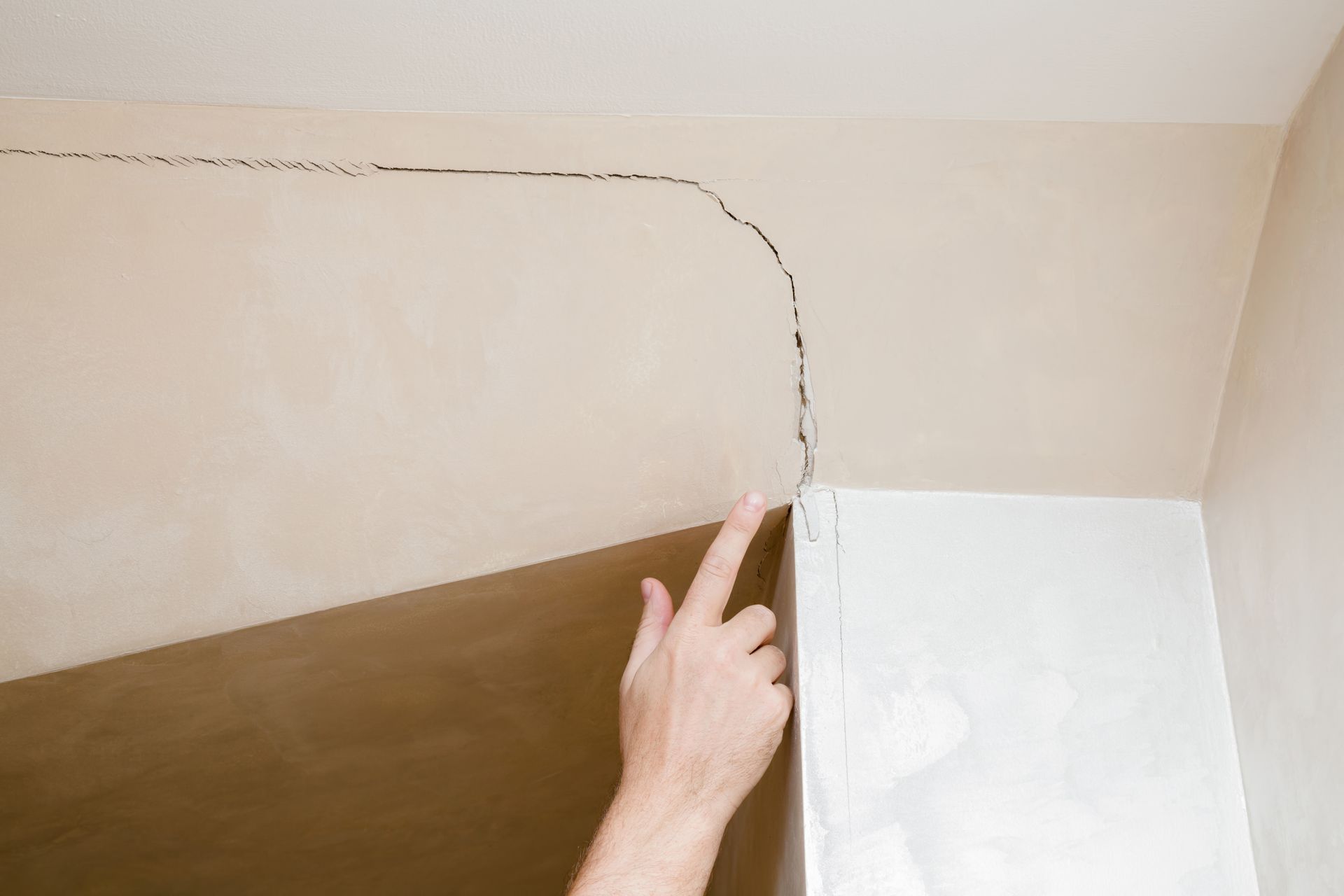
Houses built in places like Sorrento rely on wooden roof trusses that react strongly to temperature and moisture changes. During the wetter months, the top cords of the truss absorb damp air and expand, while the bottom cords buried in attic insulation stay dry and shrink. This physical difference causes the entire truss structure to bow upward in the center. When the wood pulls up, it takes the attached ceiling drywall with it, tearing the corner joints where the ceiling meets the interior walls.
→ From a professional standpoint: The tearing you see at the ceiling line is usually the house breathing, not the foundation sinking.
Addressing the Biggest Drywall Cost Misconception
The most common overestimation property owners make is assuming a cracked ceiling seam means they need an entirely new roof or foundation leveling. Predatory contractors use these scary looking cracks to sell massive structural overhauls that cost tens of thousands of dollars. In reality, mitigating truss uplift is a specialized repair that involves detaching the drywall from the edges of the trusses and allowing the ceiling to float. Using special hardware and specific taping techniques allows the framing to move independently without cracking the finished surfaces.
→ A quick tip to remember: Floating the ceiling corners is a highly effective, cost efficient repair that completely hides seasonal truss movement.
Timelines and What Affects Your Final Results
Fixing severe drywall damage requires patience because the materials dictate the speed of the job. A proper repair involves removing the compromised tape, installing new backing if necessary, and applying multiple coats of joint compound. Each layer of mud must dry completely before the next can be sanded and applied, which takes longer in a humid climate. Rushing this process guarantees the patches will flash through the paint or crack again within a few months.
→ From a professional standpoint: A durable, invisible drywall repair takes multiple days to cure properly regardless of how small the initial hole was.
Frequently Asked Questions
Is a sagging drywall ceiling dangerous?
A ceiling that sags slightly near the edges due to truss uplift is generally a cosmetic nuisance rather than an immediate hazard. However, if a large belly forms in the center of a room or feels damp to the touch, it indicates a major failure. When standard drywall gets wet or pulls through its fasteners, the heavy sheets can suddenly collapse and cause serious injury. Always have a professional inspect large sags to rule out hidden plumbing leaks or failing construction adhesive.
Why do drywall seams crack every year in the summer?
Summer brings intense heat and massive humidity spikes that push attic temperatures to extremes. This bakes the framing lumber while the air conditioning keeps the interior drywall cool and dry. That sharp difference in environment forces the house structure to flex violently. If the original tapers rigidly screwed the ceiling corners into the wall framing, that flexing instantly snaps the brittle joint compound covering the seams.
Can you screw a sagging ceiling back into place?
Simply driving new screws into a sagging ceiling rarely solves the problem and often creates a bigger mess. If the drywall has bowed for a long period, the gypsum core takes on a curved memory and will snap if forced flat. Furthermore, if truss uplift caused the separation, securing the board tightly will just cause the new screws to pop out when the seasons change. The gap must be treated with floating corner techniques to handle the underlying tension permanently.
Schedule Your Drywall Assessment Correctly
Understanding how your home responds to the local climate keeps you from falling for inflated repair bids. Proper techniques and realistic curing times are the only ways to guarantee your walls stay smooth year round. Stop living with ugly cracks and let a knowledgeable team diagnose the actual mechanics of your ceiling failure. Contact our office to set up an inspection and get an honest estimate for long lasting repairs.
Share This Blog