

How to Maintain Exterior Wood Siding to Prevent Central Florida Rot
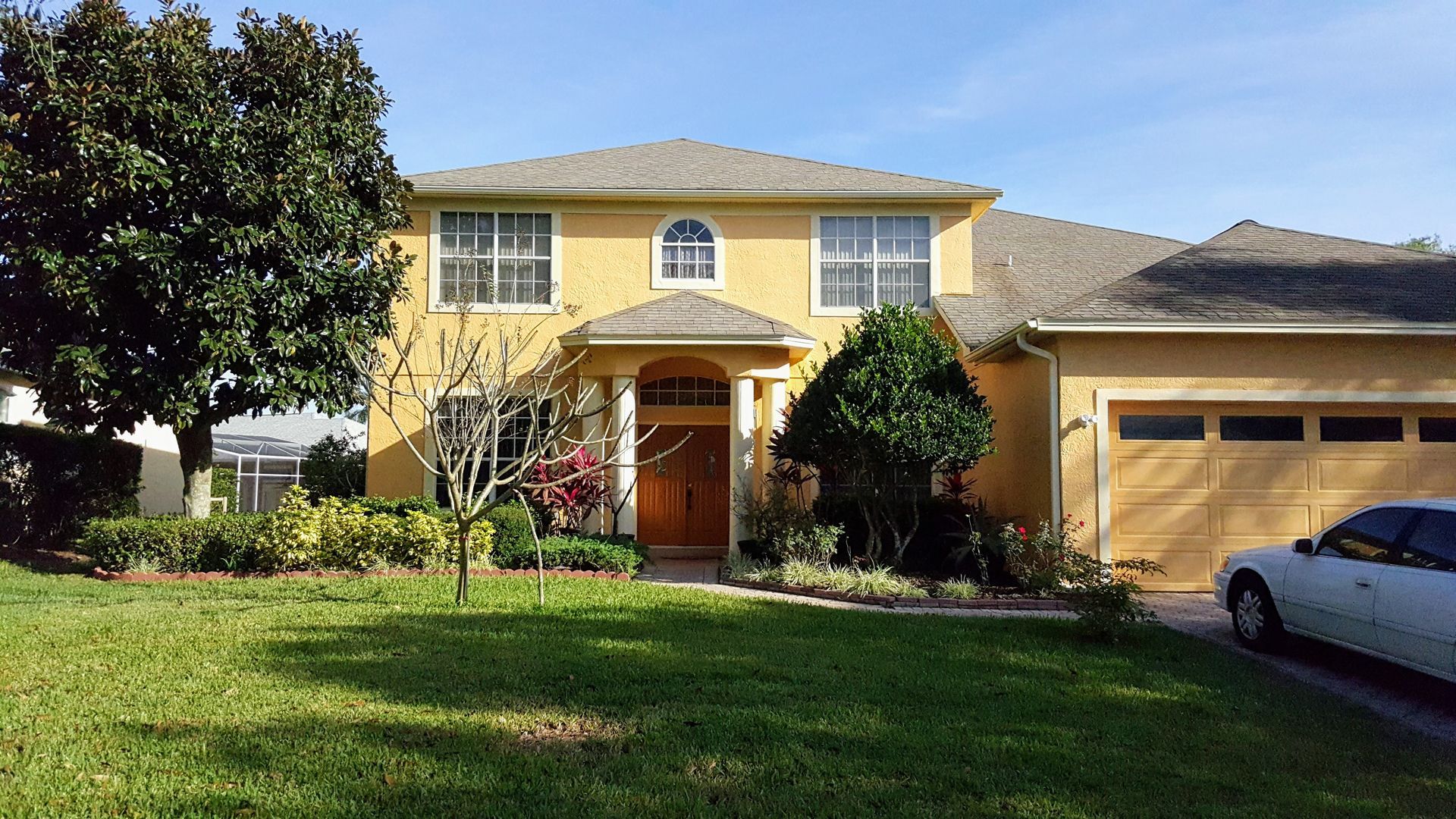
Wood siding gives homes a beautiful natural look, but it requires serious upkeep to survive our humid climate. The harsh elements tear through protective coatings quickly, leaving the raw lumber exposed to constant moisture. The team at GHI Painting routinely sees the damage that a single brutal storm season causes to unprotected exterior walls. Learning how to maintain exterior wood siding properly is the only way to stop rot before it starts.
Living in Mount Plymouth means your property faces a relentless combination of driving rain and punishing UV rays. When moisture penetrates the wood grain, it invites termites, mold, and structural decay that require expensive reconstruction. Catching small issues early and keeping up with protective treatments will save your siding from early failure. Let us look at the exact steps you need to follow to preserve your exterior investment.
In This Guide
- Immediate Post Storm Siding Aftercare
- The Biggest Wood Siding Maintenance Mistakes
- Ongoing Defense and Sealing Habits
- When to Call for Professional Siding Replacements
Immediate Post Storm Siding Aftercare
The weeks following heavy summer weather are critical for assessing your home exterior. High winds push water sideways, driving it into overlapping boards and vulnerable corner joints where it sits and festers. Walking the perimeter of your house with a critical eye helps you spot minor damage before it spreads deep into the wall cavity.
- Visual Inspection: Walk around your property looking for cracked boards, raised nail heads, and peeling paint near the foundation line.
- Debris Removal: Clear away wet leaves, dirt, and branches that are resting against the bottom courses of the siding.
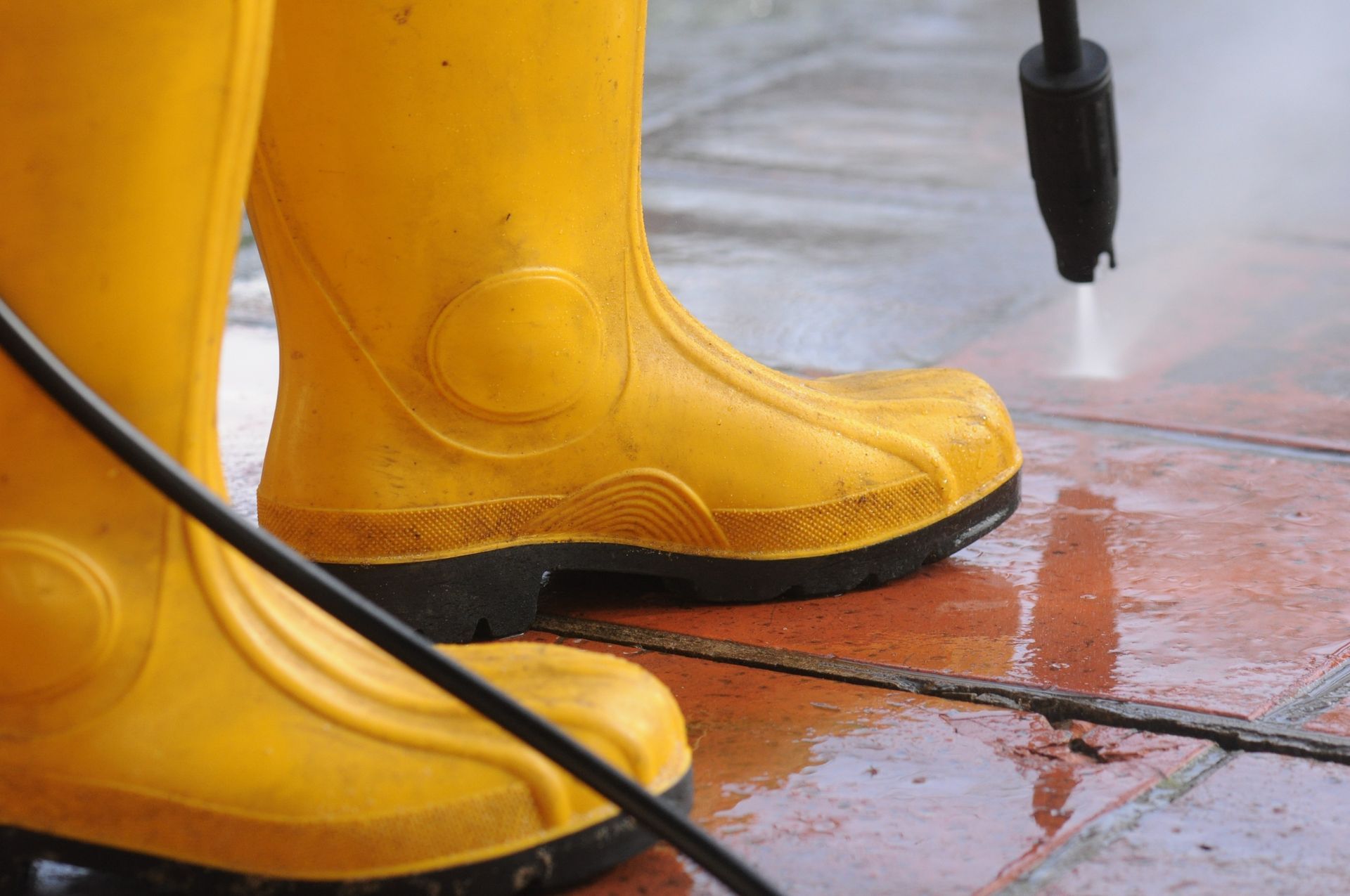
- Soft Washing: Clean the boards using a low pressure hose to remove algae and mildew without forcing water into the wood grain.
- Joint Checking: Inspect the caulking around windows and doors to ensure the seals remain intact and flexible.
The Biggest Wood Siding Maintenance Mistakes
Many property owners unintentionally destroy their own siding by using the wrong cleaning methods. Taking shortcuts during routine upkeep strips away protective finishes and forces water directly into the structural core of the house. Avoiding these common errors is just as important as doing the right maintenance.
► The most critical maintenance fact to remember is that high pressure washing will shred the natural fibers of softwoods and force water behind the weather barrier.
- Hard Scrubbing: Avoid using stiff wire brushes that gouge the wood and create pockets where water will pool.
- Painting Over Rot: Never apply paint or sealant over spongy, rotting wood in an attempt to hide the damage.
- Ignoring Vegetation: Do not let climbing vines or heavy shrubs grow directly against the wood, as they trap moisture and rip off the finish.
Ongoing Defense and Sealing Habits
Protecting your siding is an ongoing process that requires staying ahead of the weather. The sun breaks down exterior coatings over time, leaving the lumber defenseless against the next rainstorm. Establishing a strict maintenance calendar ensures your protective barrier remains strong year round.
- Annual Mildew Treatments: Apply a gentle fungicidal wash every spring to kill organic growth before it eats into the finish.
- Touch Up Painting: Keep a quart of your exterior paint on hand to dab over fresh scratches, exposed nail heads, and minor chips.
- Gutter Clearing: Keep your roof drainage systems completely clear so water does not overflow and cascade down the siding.
How often do you need to reseal wood siding in Florida?
Most wood siding in our region requires a fresh coat of high quality sealant or paint every three to five years. Properties exposed to direct afternoon sun or heavy wind driven rain often need attention closer to the three year mark. If you splash water against the boards and it absorbs into the wood rather than beading up on the surface, the protective layer has failed. Waiting too long past this point allows moisture to compromise the underlying carpentry.
When to Call for Professional Siding Replacements
There comes a point when routine maintenance can no longer save aging boards. When the damage goes beyond simple surface wear, you need professional exterior remodels to correct the underlying structural issues. Knowing when to call the experts prevents localized rot from spreading into your drywall and framing.
- Spongy Textures: Contact a contractor immediately if boards feel soft or crumble when you press a screwdriver into them.
- Widespread Warping: Call for an assessment if multiple boards are bowing outward or pulling away from the house wrap.
- Heavy Woodpecker Damage: Bring in professionals to replace sections that have been heavily drilled by pests looking for insects in the decaying wood.
Secure Your Exterior Walls
Staying on top of your maintenance schedule keeps your home looking great while blocking out severe weather. Regular cleaning and timely resealing guarantee your wooden exterior reaches its maximum expected lifespan. Take a walk around your property today and note any areas that need fresh sealant or localized repairs. Give our office a call to schedule an exterior assessment before the next heavy rain hits.
Share This Blog